
Purchase and utilization of Agricultural Land for Community Development and Self-Sufficiency
“Stop Poverty does not provide fish, but hands over a fishing rod and imparts the knowledge and skills that enable people to catch their own fish.”
Instead of continuing to provide financial support indefinitely, a structured action plan focused on self-sufficiency is far more effective. To become more independent from foreign sponsors, agricultural land will be purchased on which farming and livestock activities will take place. The cultivation of crops such as maize, beans, tomatoes, cabbage, coffee and bananas will be determined based on market demand. Crop rotation will be applied regularly to prevent soil depletion. These decisions will naturally be made in cooperation with local communities and agricultural experts. By raising pigs and goats, the economic well-being of the villages will increase further.
However, self-sustainability should not be viewed solely from a financial perspective. Building self-confidence and a positive self-image among villagers, teenage mothers, and children, empowering them through education and life-skills- is an essential component for long-term success. The theme ‘we can do it’ runs consistently through all programmes. Education on improved ecological techniques, environmental awareness, and healthier lifestyles is also essential.
The poorest residents do not own land. They lack the financial means for food, education, and medical care, let alone the ability to purchase land. Unlike many other countries, agricultural land in Uganda remains relatively affordable. Furthermore, the climate and geographical conditions ensure that farmland in Uganda is generally very fertile.
For this reason, we aim to purchase agricultural land that will be made available to the local population. This creates employment and provides income, with ALL profits benefiting the most vulnerable families.
The acquired land will be used for various crops that generate the highest market-based returns. As a result, the proceeds from the harvest—after deducting costs—will create an annual income stream. All revenue from the harvest will directly benefit the poorest families. With your support, we can help thousands of vulnerable children and young people build a better future in the long term.
Generating Income for Unemployed Families
In Uganda, the unemployment rate averages 70%, and in rural areas it is often even higher. Since no form of social benefits exists, unemployment results in poverty, hunger, and limited access to medical care and education.
All profits go directly to unemployed villagers and their families, as well as to the local primary school in the form of school fees and educational materials. These funds are transferred directly to the school. Furthermore, families are empowered by learning domestic agriculture and other life skills, enabling them to generate additional income at home.
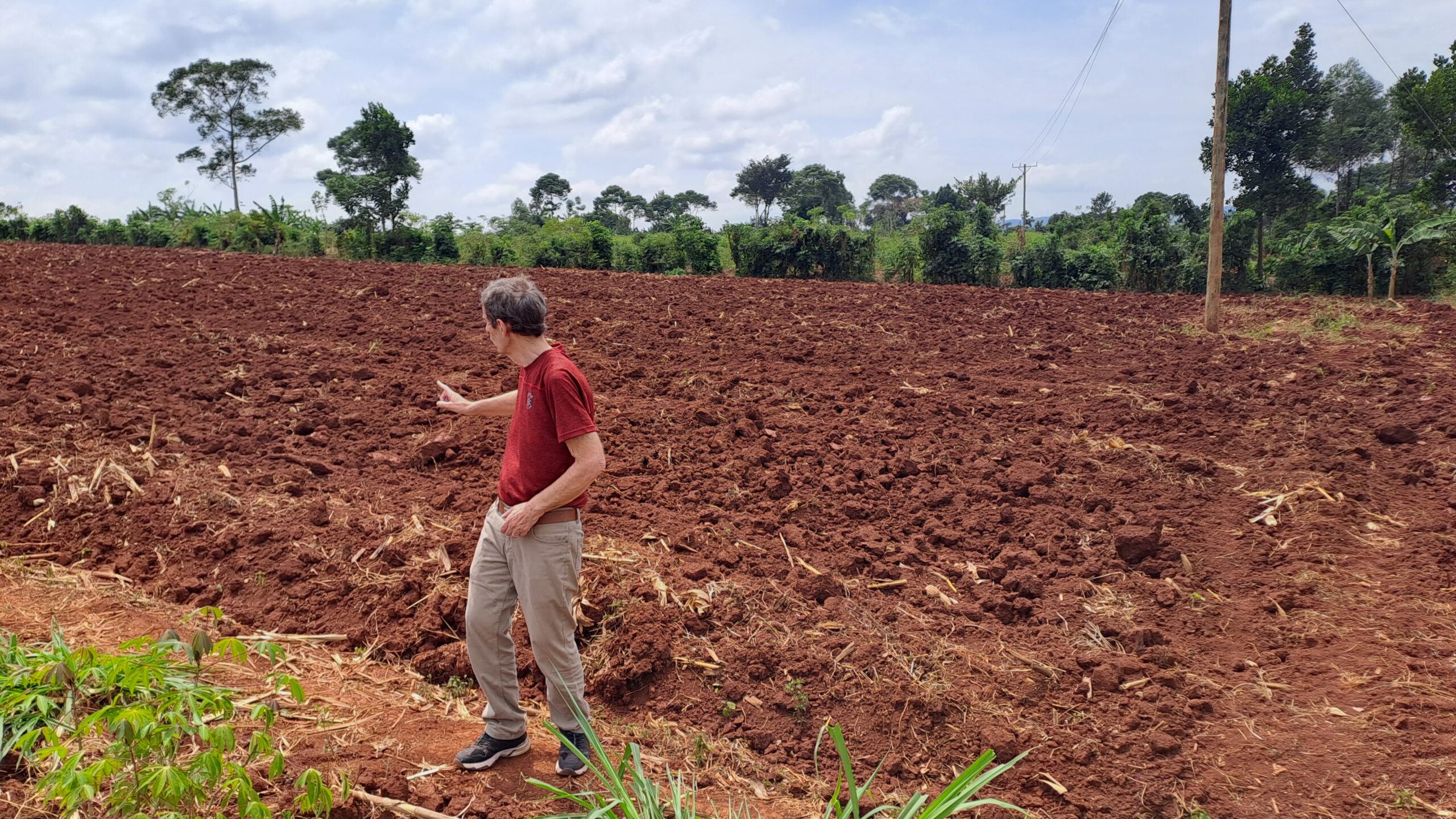
Chairman Arie Kruizinga assesses agricultural land
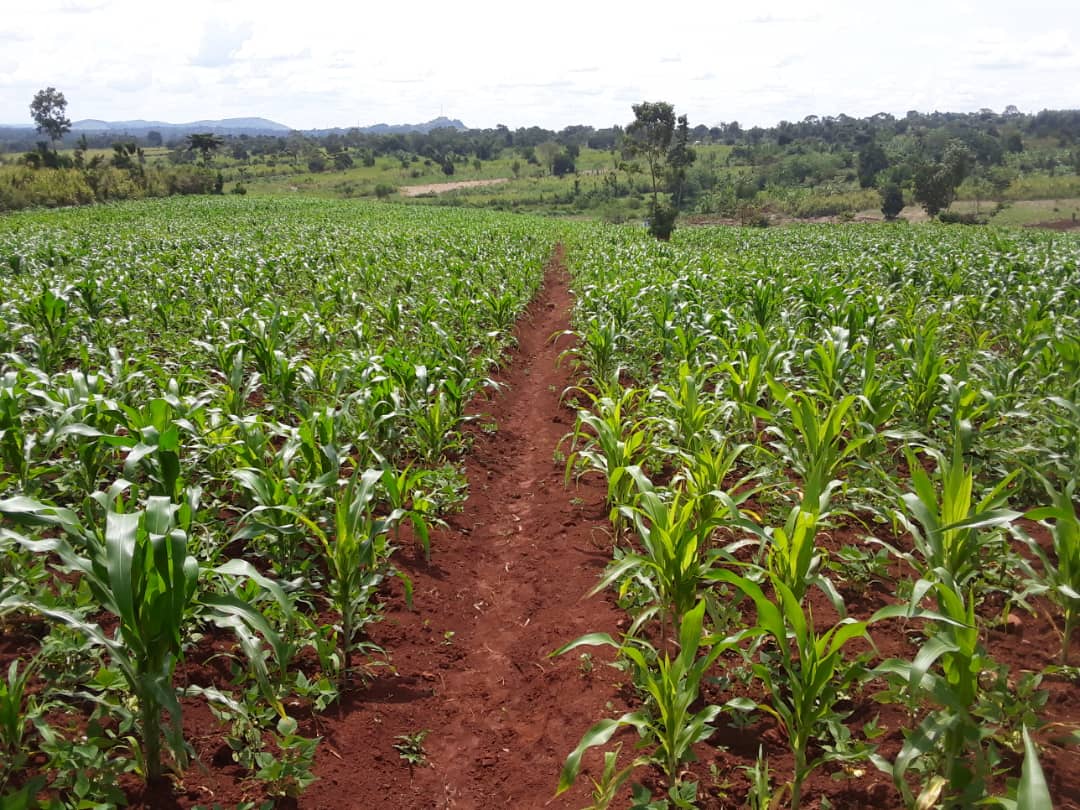
Cultivation of maize, a widely consumed food product
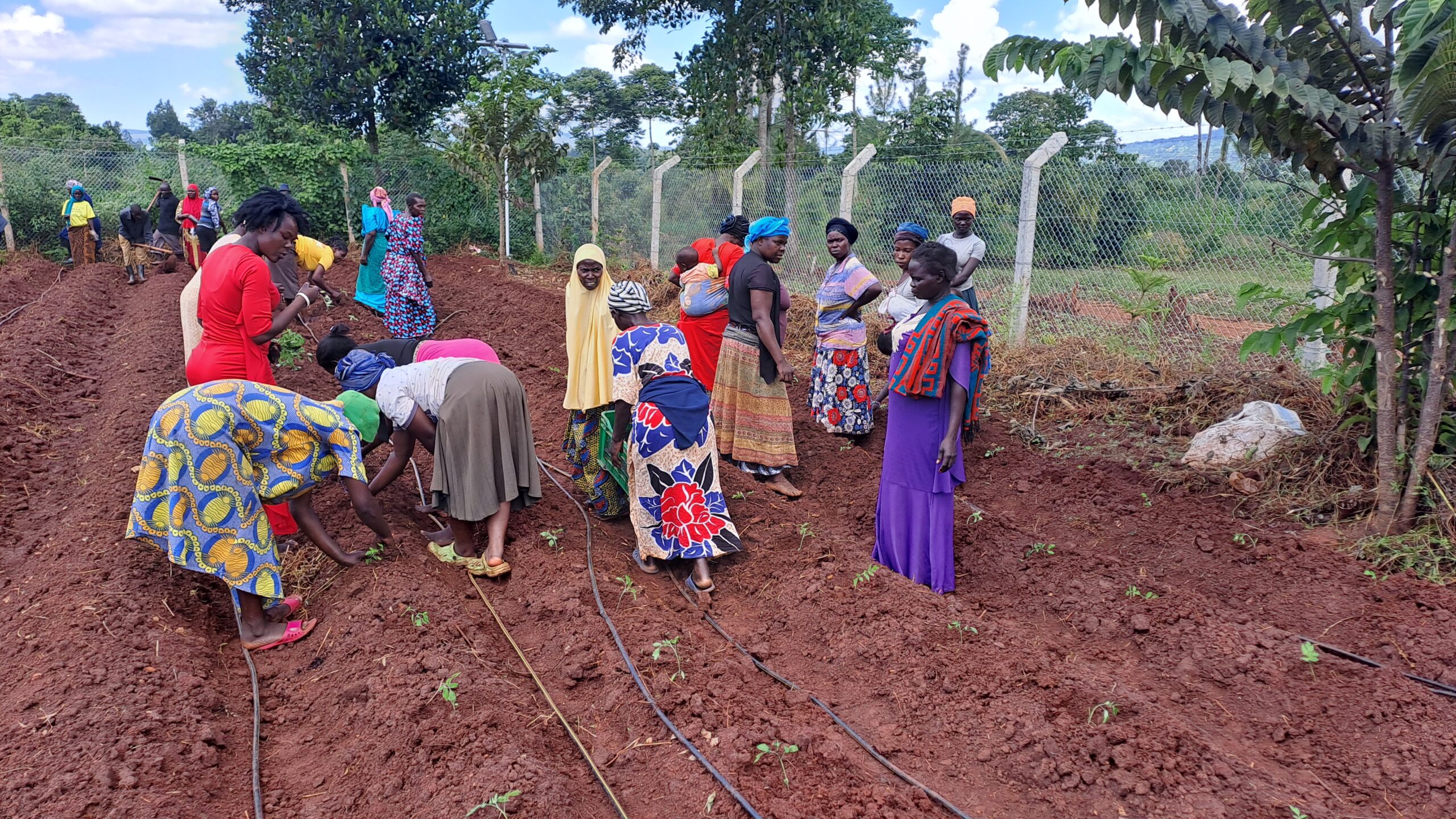
Villagers working on the Contribute Farm
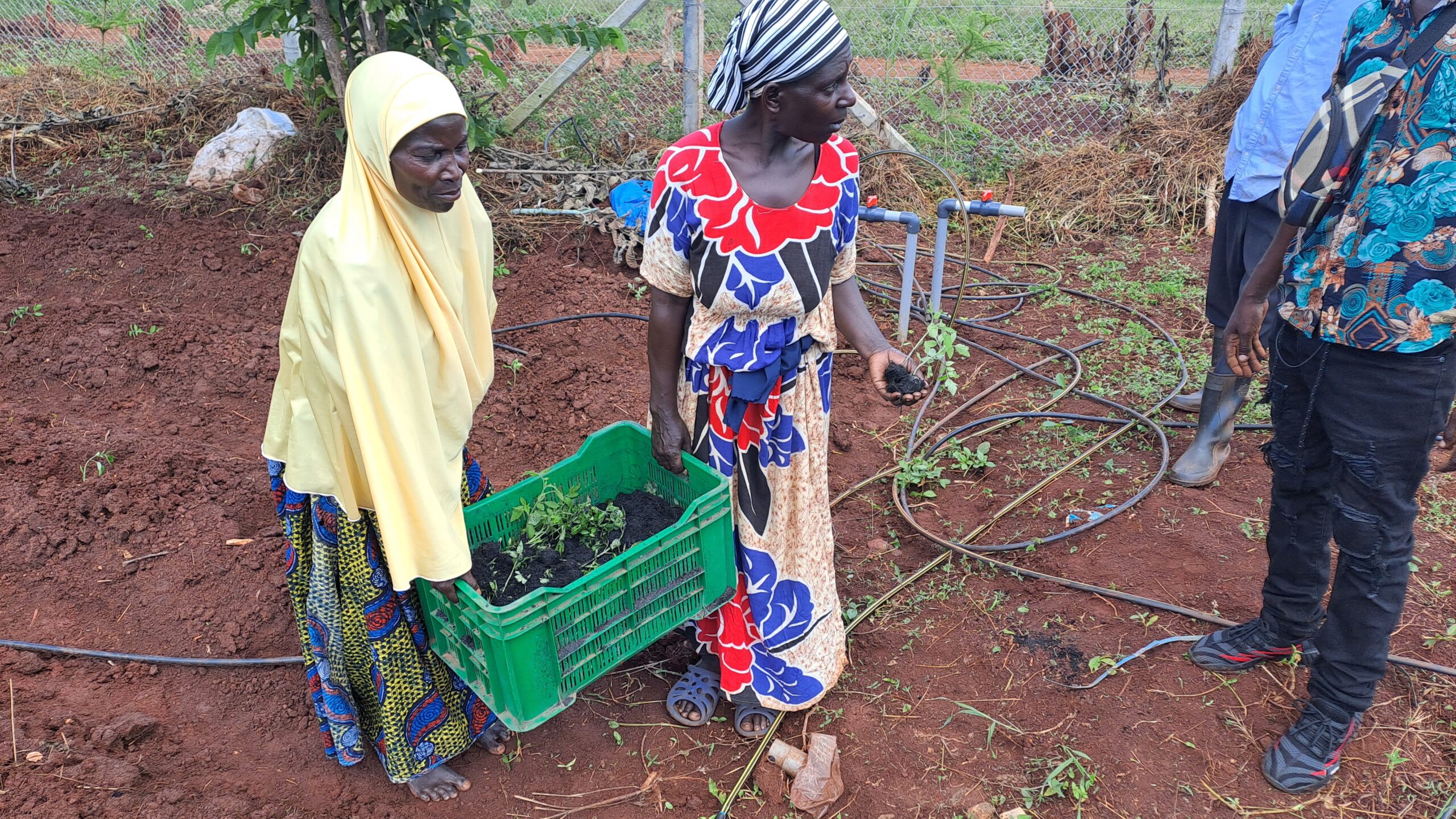
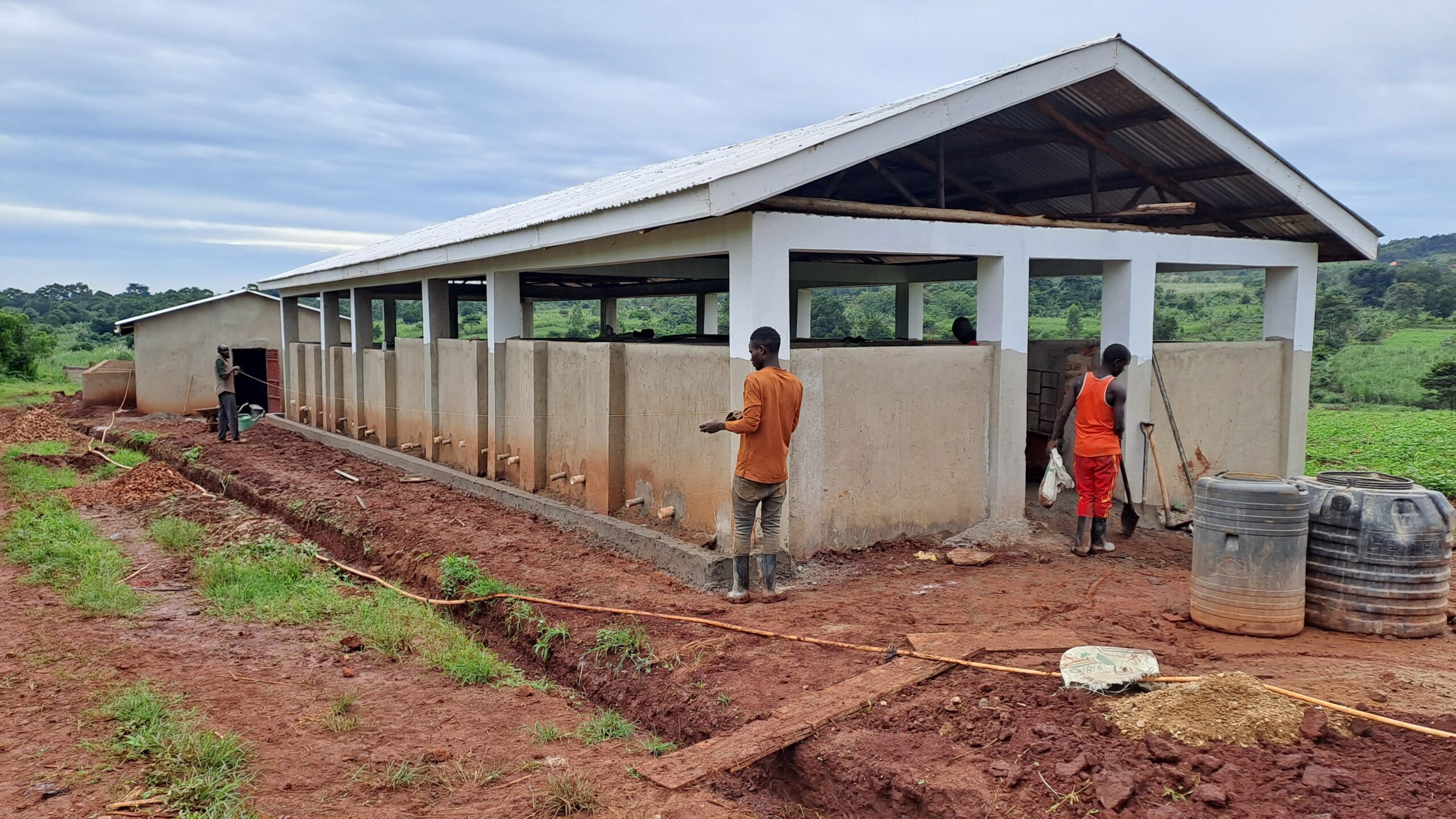
Livestock farming to promote self-sufficiency